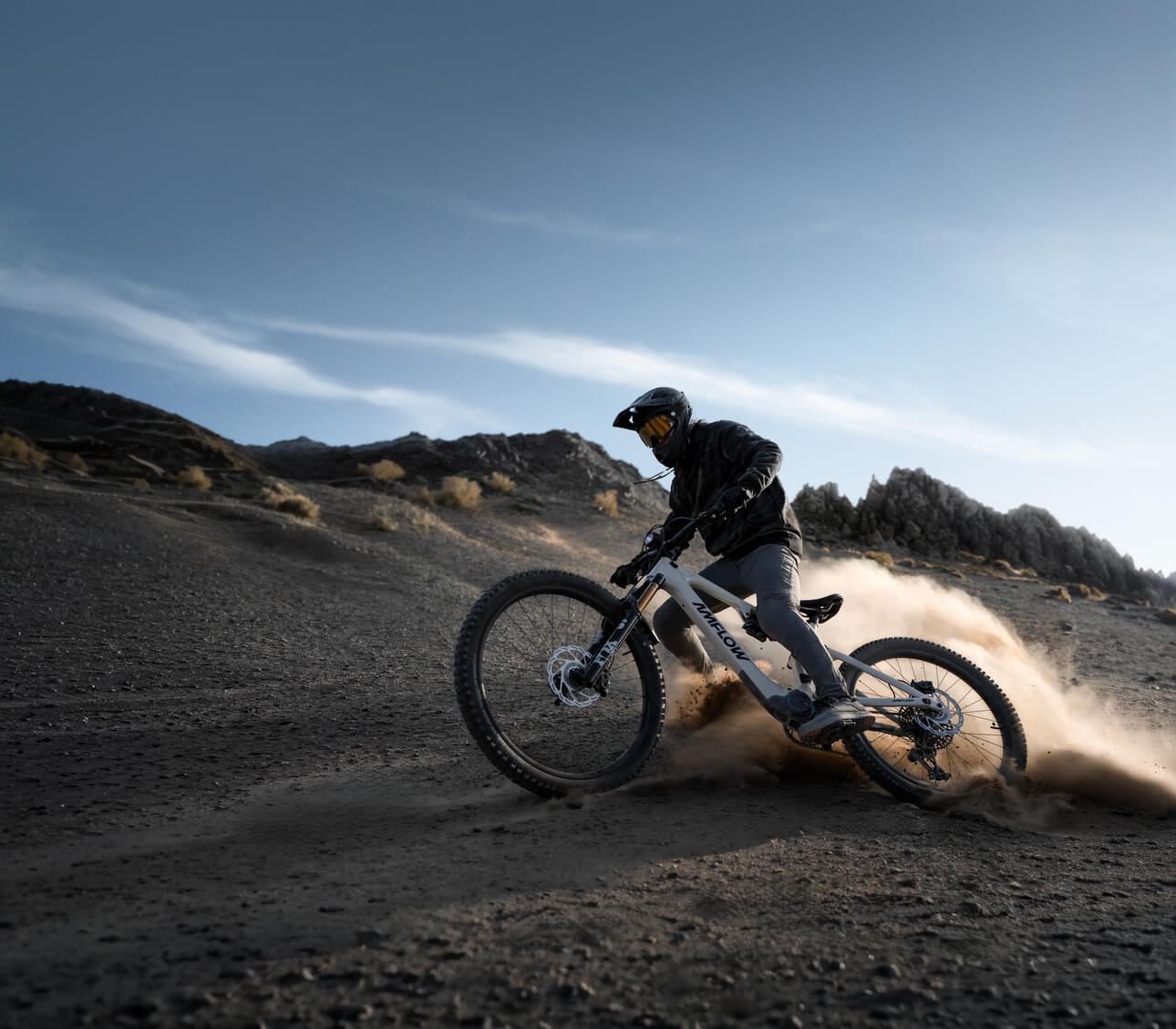
A lightweight eMTB often suits riders who prioritize quick handling, easier lifting, and an active pedaling feel, while a full-power eMTB typically offers more assistance for steep climbs and repeated laps. These qualities can also come together in one bike: a high-output drive system does not automatically require a heavy build.
The useful comparison is how each complete bike behaves on your trails, how much climbing effort you want to contribute, and whether the battery covers your regular routes, including the ride home.
Lightweight vs. Full-Power eMTBs: What's the Difference?
Lightweight eMTBs typically use lower-weight builds and more modest drive systems; traditional full-power eMTBs offer greater motor assistance and often carry larger batteries. These terms describe design priorities, not fixed engineering categories with universal weight or torque limits.
| Design approach | Typical characteristics | What changes for the rider |
|---|---|---|
| Lightweight / light-assist eMTB | Lighter complete-bike builds, more modest motor assistance, often smaller batteries | Less bike to move around, with more rider input needed on demanding climbs |
| Traditional full-power eMTB | Higher available motor output, often larger batteries and heavier builds | More assistance for sustained climbing, with potentially more weight to handle |
| Lightweight full-power eMTB | High-output drive system in a weight-conscious build | Strong assistance without necessarily accepting the weight of a traditional full-power setup |
A 20 kg (44.1 lb) threshold sometimes appears in eMTB comparisons, but manufacturers do not use it as a shared definition. Frame-only weight is also different from complete-bike weight, which includes the motor, battery, wheels, tires, and suspension.
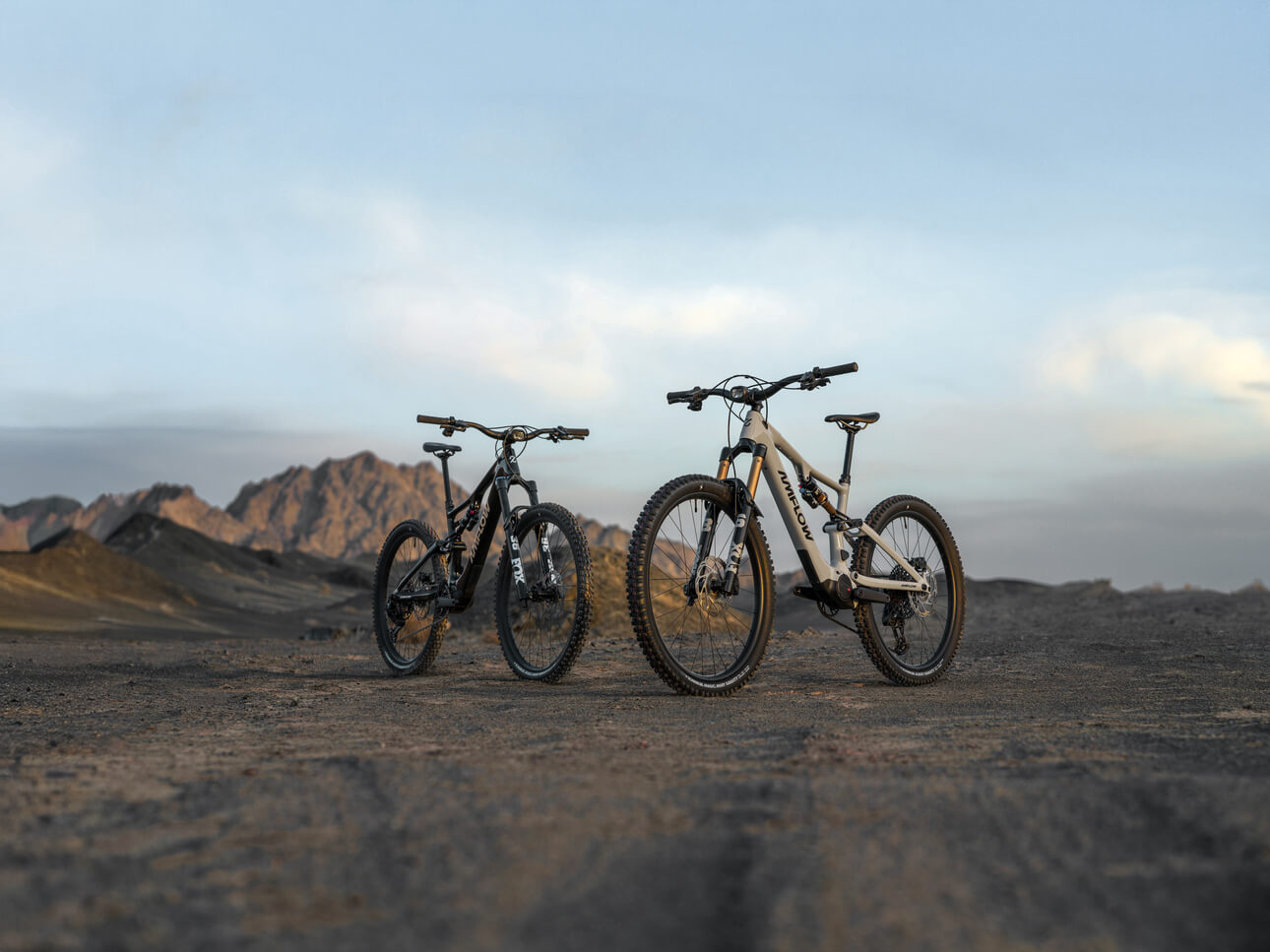
The Amflow PX Carbon Pro combines the weight-conscious construction riders seek in lightweight eMTBs with the substantial assistance of a full-power drive system. In a size M tubeless configuration, the complete bike weighs approximately 20.6 kg (45.4 lb). It pairs an Avinox M2S drive unit with a 700 Wh integrated battery. Actual weight varies with size and equipment.
Which Handles Better: Lightweight or Full-Power eMTBs?
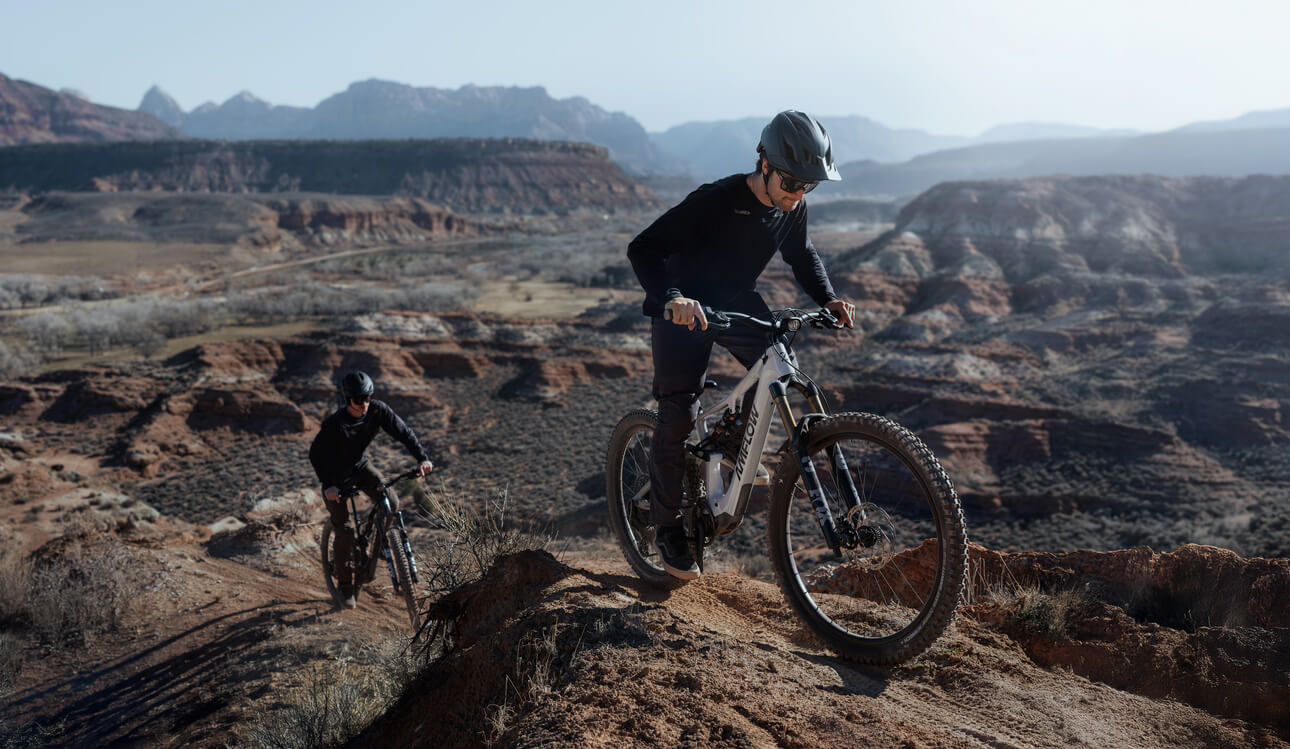
For tight switchbacks and frequent bike movements, a lighter eMTB often requires less physical effort to reposition. On fast, rough descents, some riders prefer the more planted feel of a heavier build. Geometry, center of gravity, suspension, and tires also shape how confidently either bike handles.
Which Handles Better on Tight and Technical Trails?
On tight, technical trails, a lower-weight eMTB can make repeated direction changes, front-wheel lifts, and low-speed corrections less demanding. The rider has to lean, rotate, and sometimes lift the bike through these features, so the weight of the bike itself becomes noticeable.
The difference is particularly relevant when you need to unweight the front wheel over a root, bring the rear wheel around a sharp turn, or carry the bike across an unridable section. By contrast, a higher-output motor may help on a steep approach, but it cannot reduce the effort needed to lift the bike itself.
For perspective, compare a 45 lb bike with a 50 lb bike. The lighter bike weighs 10% less than the heavier one. With a 165 lb rider, however, the same 5 lb saving represents only about 2.3% of the combined rider-and-heavier-bike mass. The mass comparison helps explain why lifting the bike can feel noticeably different even when the reduction in combined uphill load is relatively small. It does not measure steering response, traction, or handling quality.
Weight placement matters, too. The position of the motor and battery influences the center of gravity, while wheel and tire mass influences how the bike accelerates and changes direction. Reach, wheelbase, head-tube angle, and suspension setup determine how those characteristics translate to the trail. A carbon frame can help reduce frame weight, but carbon versus aluminum is not a reliable handling verdict without comparing the complete builds.
Which Performs Better on Descents and Rough Terrain?
A lighter eMTB can be easier to move between lines on compact, technical descents; a heavier setup may feel more settled through fast, rough sections. The better match for a particular descent depends on the bike's geometry, suspension performance, tires, and the rider's technique.
On a descent full of tight corners and small drops, the ability to move the bike beneath you may matter more than carrying momentum. On a sustained rocky descent, tire construction and pressure, suspension damping, and wheelbase can have a greater influence on how calmly the bike tracks the ground. Additional weight is not a substitute for well-matched suspension or grip.
Brakes deserve a separate look when comparing complete builds. Rotor size, brake system, tire traction, and heat management affect control during repeated descents, and the components fitted to individual bikes can differ substantially within either eMTB category.
Which Climbs Better: Lightweight or Full-Power eMTBs?
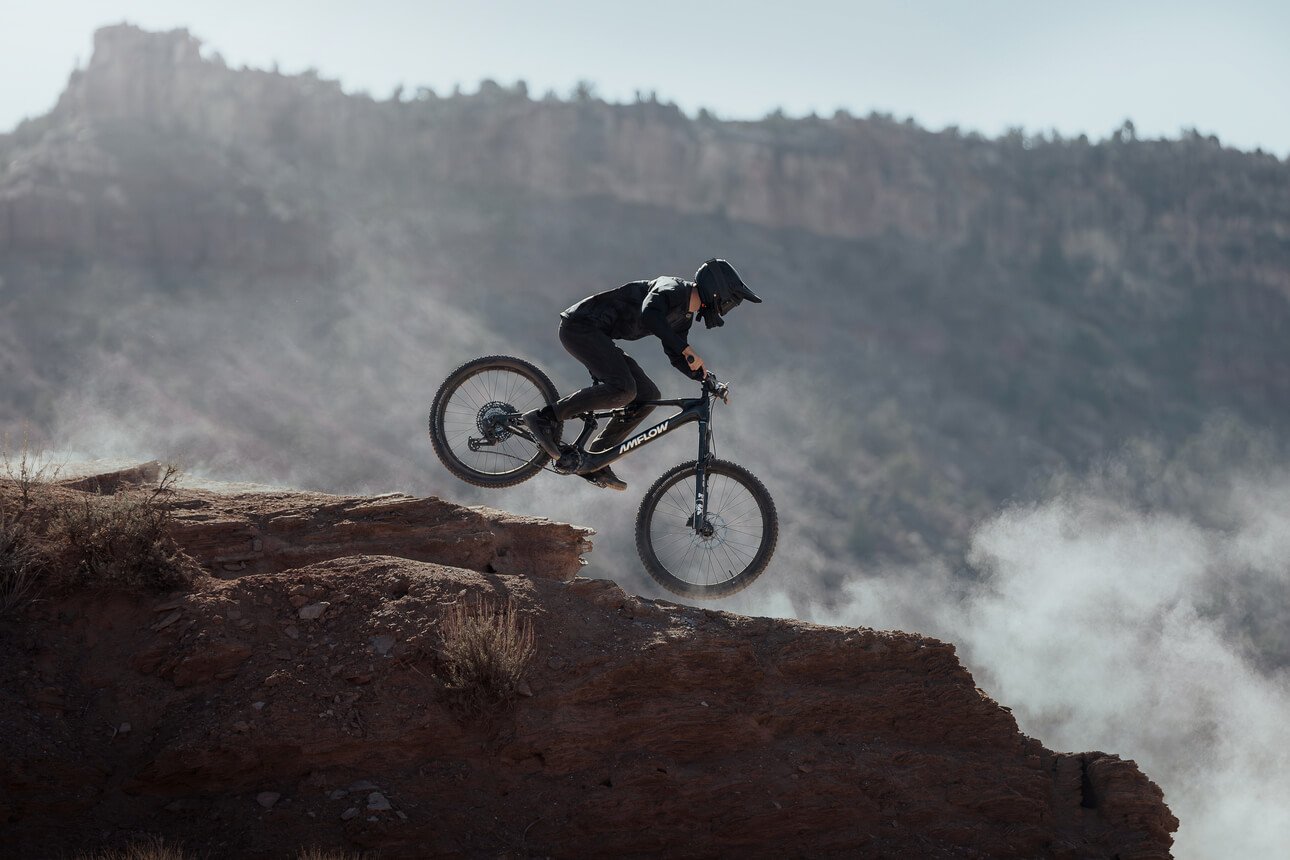
Full-power eMTBs typically provide more available motor assistance for steep or sustained climbs. On slow technical features, controllable power delivery, tire grip, and rider balance can matter more than the motor's peak torque number.
Which Performs Better on Steep and Technical Climbs?
On steep, traction-limited climbs, a full-power eMTB can provide more assistance, while a lighter bike may be easier to balance around awkward obstacles. Smooth power delivery and rear-wheel traction frequently matter more than either label when the trail becomes loose or stepped.
Motor torque, measured in newton-meters (Nm), describes rotational effort at the drive unit. Mechanical power, measured in watts (W), depends on torque and rotational speed. Two motors with similar peak torque figures can therefore deliver different assistance at low and high pedaling cadences. Gear selection, rider input, and the motor's control software shape what reaches the rear wheel.
A short burst of torque is different from the assistance available throughout a long climb. The Avinox M2S drive unit on the PX Carbon Pro delivers up to 150 Nm in Boost mode. Boost can run for up to 60 seconds, after which the system returns to the previously selected mode. For a sustained ascent, regular riding-mode response and the rider's own output become the more useful comparison.
An eMTB's torque-to-weight ratio can offer a quick specification comparison, but it does not account for motor behavior across cadences, gearing, tire grip, or rider weight. For difficult low-speed moves, smooth response at the cadence you actually use is often a more useful test.
How Do Pedaling Effort and Climbing Pace Compare?
At a comparable pace and grade, a full-power eMTB can reduce the rider's contribution by supplying more motor assistance. A light-assist eMTB typically asks for more pedal power on demanding climbs, which can appeal to riders who prefer greater physical involvement.
That distinction is not fixed by the label alone. Riding a full-power bike in a lower assist setting can increase the rider's share of the work and reduce battery consumption. It does not change the bike's weight, geometry, or suspension, so it does not necessarily reproduce the handling of a light-assist model.
Group rides make this difference practical. If your regular riding partners climb in higher assist modes, compare whether you can keep a comfortable pace with your preferred effort level. If you usually ride with non-assisted mountain bikes, a moderate assist setting may provide the pace and pedaling feel you want without using the motor's full output.
Which Has More Range: Lightweight or Full-Power eMTBs?
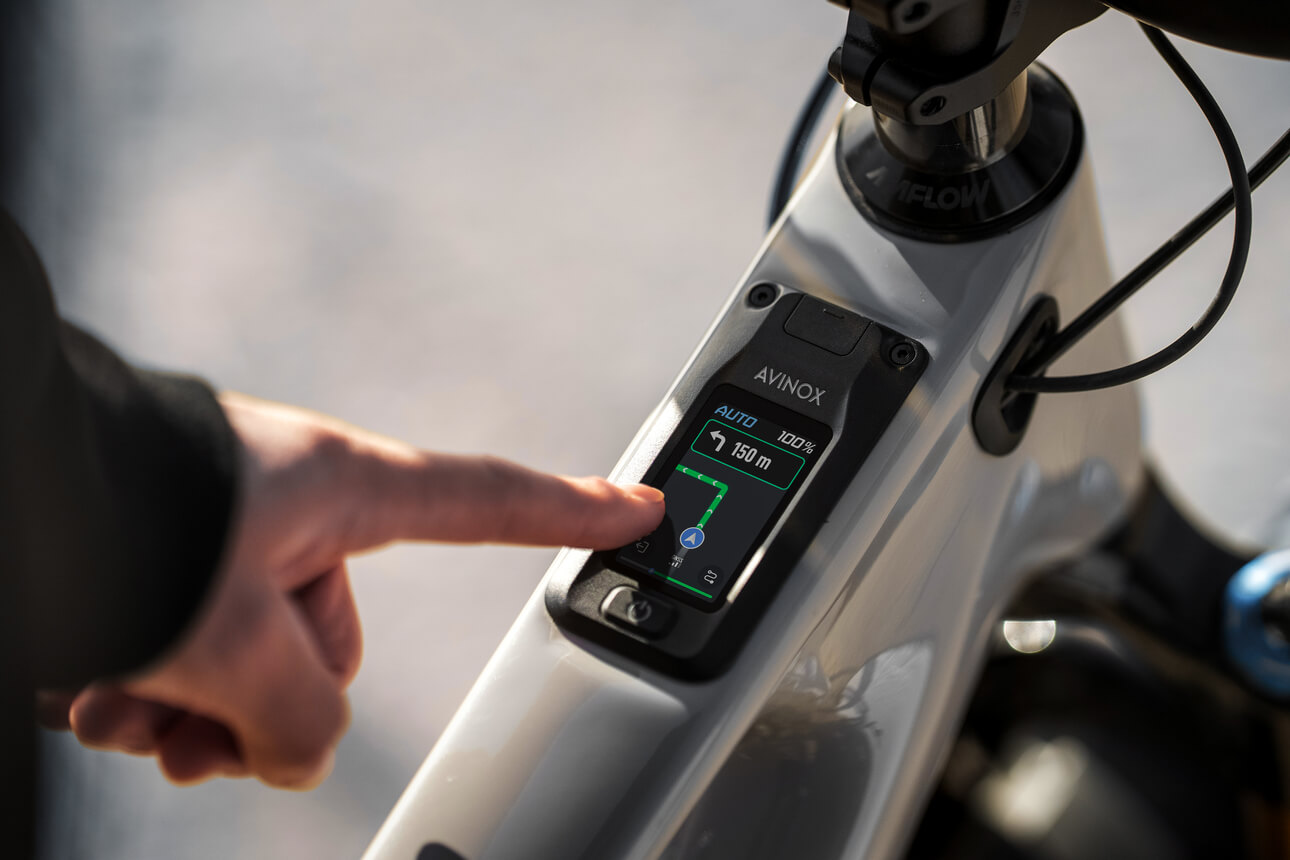
A full-power eMTB often carries more stored battery energy, while a light-assist bike may draw less motor power when its rider contributes more effort. Neither battery size nor category label determines real-world range on its own; climbing, terrain, and assistance settings are decisive.
How Do Battery Size and Assist Modes Compare?
Full-power builds often have larger batteries, while light-assist builds are more likely to prioritize lower battery weight. Battery capacity in watt-hours (Wh) describes stored energy, while motor output in watts (W) measures the rate of mechanical assistance delivered. Electrical energy drawn from the battery also depends on drive-system efficiency. Higher assistance can increase energy consumption enough to offset part of a larger battery's range advantage.
For example, a light-assist bike with a smaller battery may consume fewer watt-hours over a climb because the rider contributes more power. A full-power bike with a larger battery can retain more energy after the same ride, particularly when used at moderate assistance. The outcome depends on how the two systems are ridden.
Battery size also contributes to bike weight. Some systems support a range extender, allowing the rider to carry additional energy when needed. The extra battery adds weight, and availability, mounting, and operating behavior depend on the specific bike.
Which Setup Offers Enough Range for Your Rides?
The more suitable eMTB is the one that covers your longest regular route with enough battery left for the return trip. Include the ride to the trailhead, elevation gain, and repeated climbs: a short, steep loop at high assistance can use more energy than a longer, flatter ride.
Consider a hypothetical 10-mile loop completed by two eMTBs. The figures below show how to interpret battery use, not measured performance for specific models.
| Example configuration | Battery capacity | Displayed battery used | Approximate energy consumed |
|---|---|---|---|
| Light-assist setup | 400 Wh | 35% | 140 Wh |
| Full-power setup | 700 Wh | 30% | 210 Wh |
Although the full-power example loses a smaller percentage of its charge, it consumes more energy in watt-hours. It also starts with more stored energy. These two observations matter more than comparing the percentages in isolation.
For an estimate that reflects your riding, record battery use on a representative route alongside miles ridden, elevation gained, and assist settings. The remaining battery percentage is approximate, so leave room for changes in trail surface, temperature, climbing, and the ride home. If you often ride with a faster group or plan multiple laps, base the decision on that more demanding outing rather than your shortest ride.
Lightweight vs. Full-Power eMTBs: Which Is Easier to Own?
A lighter eMTB generally takes less effort to carry or load, while a full-power bike with a removable battery may be more convenient to charge away from its storage space. Daily ownership also depends on your bike rack, component choices, and purchase price.
A rider who regularly carries an eMTB upstairs will notice a weight difference that may be less obvious during motor-assisted climbing. The same applies to loading a vehicle: compare the ready-to-transport bike's weight with the per-bike capacity of the rack, and follow the rack and bike manufacturers' transport instructions.
Charging access can change the decision. The Amflow PR Carbon has an 800 Wh removable battery, so the bike can remain in its storage space while the battery is brought indoors for charging. That is useful when the storage area has no convenient power outlet.
Neither category has a consistent price or maintenance-cost advantage. Suspension, brakes, wheels, drivetrain parts, battery design, and local service arrangements vary by complete-bike specification. A higher-priced lightweight build may use more expensive components than a full-power model, while a premium full-power build may cost more for reasons unrelated to its motor.
In the United States, trail access depends on the rules for the specific trail and land manager. Lightweight and full-power are equipment descriptions, not trail-access classifications.
Lightweight or Full-Power eMTB: Which Should You Choose?
Choose a light-assist eMTB when easy handling, occasional carrying, and an active pedaling feel are your priorities. A traditional full-power build is a stronger candidate when sustained assistance and repeated climbs matter more. Riders who want both can focus on weight-conscious full-power configurations, using the exact bike build rather than a category label to make the final choice.
| Your main riding requirement | A useful direction |
|---|---|
| Tight trails with repeated bike movements and occasional lifting | A lighter complete-bike build with suitable geometry |
| Long climbs, repeated downhill laps, or fast eMTB group rides | High available assistance and enough usable battery energy |
| Strong climbing support without a traditionally heavy build | A lightweight full-power configuration, judged by its actual weight and battery |
| Long exploratory rides with limited charging | A configuration with a measured route-energy margin |
| Apartment storage, stairs, or charging away from the bike | Manageable weight, battery access, and suitable transport equipment |
How to Compare Lightweight and Full-Power eMTBs on a Test Ride
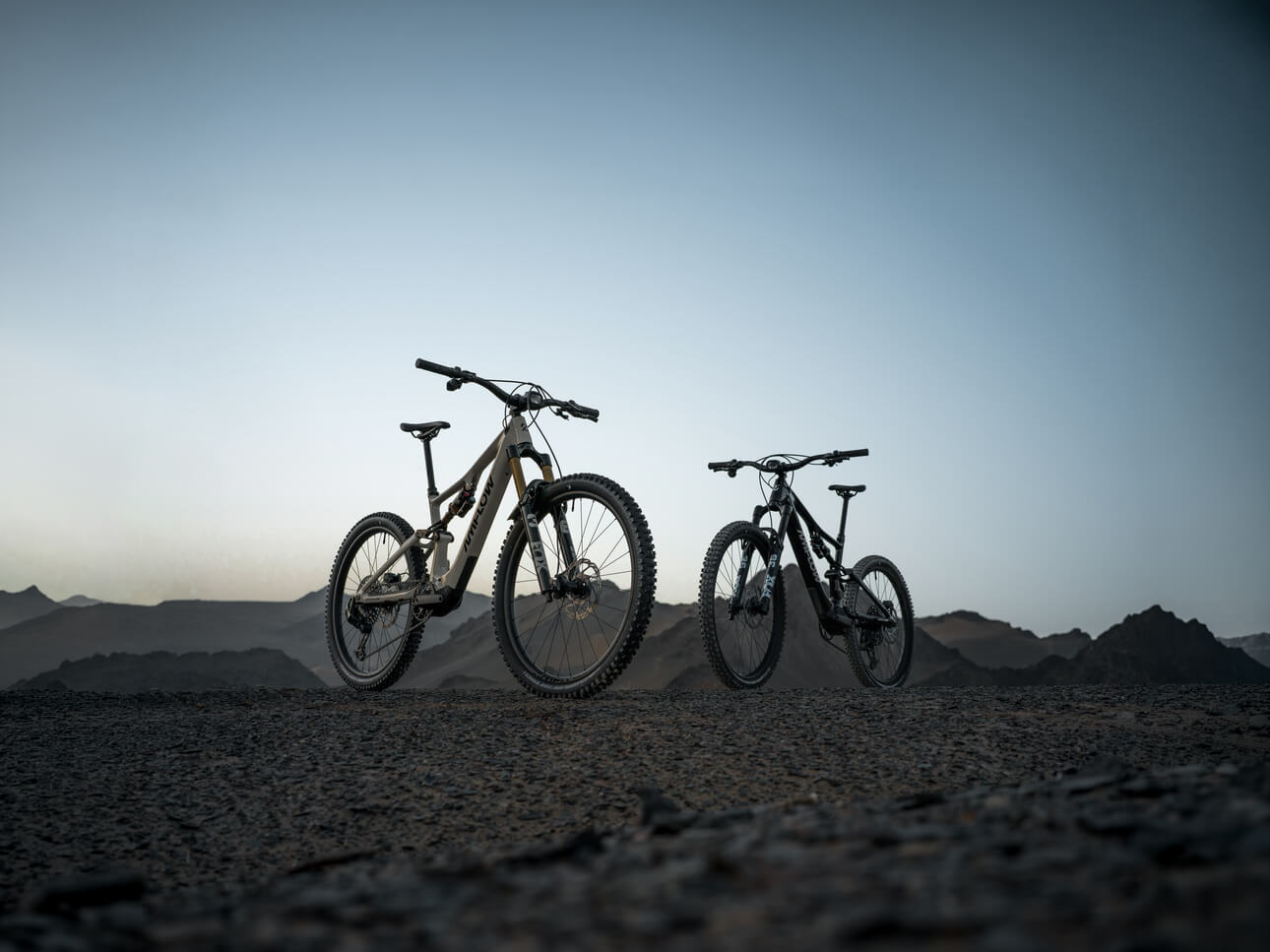
A same-route test ride makes the differences between lightweight and full-power eMTBs easier to assess. Include a slow technical climb, a sustained ascent, several tight turns, and a rough descent rather than relying on how the bikes feel in a parking lot.
Set each bike up for your weight and fit, including tire pressure and suspension sag. On the technical climb, pay attention to how smoothly assistance arrives and whether you can hold your chosen line. On the longer climb, compare the pace you can maintain at a comfortable effort. On the descent, notice how readily the bike changes direction and how the suspension deals with repeated impacts.
Try more than one assistance setting, but do not assume similarly named modes across brands deliver the same output. For battery comparisons, use the same rider and route under reasonably similar conditions, then compare estimated watt-hours rather than displayed percentages alone. Finally, lift and load each bike as you would at home. A setup that suits the trail should also work for the way you live with the bike.
FAQ
Can You Ride a Lightweight or Full-Power eMTB With the Motor Off?
Yes. Most pedal-assist eMTBs can be pedaled with motor assistance switched off. The effort depends on bike weight, gearing, tires, gradient, and any internal drive-system resistance. Under otherwise similar conditions, a heavier build generally takes more effort to pedal uphill without assistance.
What Does a Manufacturer's eMTB Weight Figure Include?
An eMTB weight figure applies to a particular frame size and equipment setup, which can differ between manufacturers. Pedals, tires, accessories, and tubeless versus tube configurations may change the published result. Compare complete-bike weights for similar setups, including the relevant battery and frame size.


