Electric Mountain Bikes: Everything You Need to Know about Modern EMTBs

AMFLOW
-
26/09/2025

The electric mountain bike, also known as the EMTB, has taken the cycling world by storm. As riders look for more adventures and greater inclusivity, EMTBs provide the power, freedom, and versatility for everyone—from outdoor thrill seekers to families, commuters, and fitness enthusiasts. Whether you’re racing the trail, climbing mountains, needing assistance for longer rides, or just rediscovering the joy of cycling, the best electric mountain bike is the key to unlocking a new era of adventure.

But how do you choose the right mountain electric bike with so many options on the market? This ultimate guide breaks down types, rider profiles, components, tips, and answers the most common questions—so you can confidently find the perfect EMTB for your journey.

What Makes an Electric Mountain Bike Special?

Electric mountain bikes fuse the muscular performance of traditional mountain bikes with advanced electric assist: a powerful motor, long-lasting battery, and intelligent controls. This combination unlocks new terrains for every rider, breaks fitness limitations, and elevates the riding experience.
Key Advantages:

  • Effortless Climbing: Conquer hills and technical trails with pedal-assist boost.
  • Extended Range: Go further and discover new paths thanks to large-capacity batteries.
  • Inclusive Design: EMTBs welcome older riders, absolute beginners, women, kids, and heavy riders to the world of mountain biking.
  • Fun Multiplier: Steep uphills, snowy paths, muddy tracks—all become fun, not a struggle.

Core Types of Electric Mountain Bikes

Choosing the best electric mountain bike starts with understanding the different types, each with distinct strengths and suited for different riders. Let’s break down the most popular categories and what makes them unique:

1. Hardtail Electric Mountain Bike

What is it?
Hardtail electric mountain bikes are equipped with a front suspension fork and a rigid rear frame. They are lighter, more efficient, and easier to maintain than their full-suspension counterparts.

Best for:

  • Cross-country (XC) trails
  • Light off-road exploring
  • First-time e-mountain bikers
  • Riders looking for best budget electric mountain bike options

Advantages:
  • Lightweight for easier pedaling and transport
  • Simpler construction means fewer moving parts and less maintenance
  • More affordable without sacrificing core EMTB fun

2. Full Suspension Electric Mountain Bike

What is it?
Full suspension electric mountain bikes use both front and rear shocks to absorb impacts from roots, rocks, and rough terrain, keeping you in control on challenging trails.

Best for:

  • Downhill, enduro, and all-mountain routes
  • Technical, rough, or steep terrain
  • Riders seeking maximum comfort and control

Advantages:
  • Superior traction and handling
  • Plush ride for longer, rougher rides
  • Allows you to tackle aggressive descents and technical climbs

3. Fat Tire Electric Mountain Bike

What is it?
A fat tire electric mountain bike comes with oversized tires (typically 4” or more) that offer unmatched traction and stability over soft or tricky surfaces.

Best for:

  • Sand, snow, mud, or loose rock
  • Beginners needing extra balance
  • Riders who crave unique adventures off the traditional path

Advantages:
  • “Float” over loose or slippery terrain
  • Confidence-inspiring handling
  • Perfect four-season e-biking

4. Lightweight Electric Mountain Bike

What is it?
Lightweight electric mountain bikes use slimmed-down frames (often in carbon or advanced aluminum) and more compact drive systems for easy carrying and nimble trail handling.

Best for:

  • Urban explorers hitting both city streets and dirt paths
  • Riders needing to carry their EMTB up stairs, onto transit, or over obstacles
  • Fitness-minded cyclists wanting a more natural riding “feel”

Advantages:
  • Quick acceleration and agile cornering
  • Less fatigue over multi-hour rides
  • Easier storage and transport

5. Folding Electric Mountain Bike

What is it?
These innovative EMTBs fold for simple storage in a car trunk, closet, or RV. They maintain rugged off-road features while providing ultimate convenience.

Best for:

  • Apartment dwellers
  • Commuters who want weekend adventures too
  • Riders with limited storage

Advantages:
  • Unmatched portability and easy to store
  • No need to sacrifice performance for space

Electric Mountain Bike Types by Rider: Kids, Seniors, Women, Beginners, Pros

An EMTB is not one-size-fits-all. Let’s explore how different designs suit various age groups, skill levels, and physiques.

Kids Electric Mountain Bike

Why Choose a Kids Electric Bike?
Kids need options designed just for them—scaled-down frames, capped power, and parent-friendly features make the riding experience fun and safe.

Features:

  • Reduced frame size and weight, child-friendly geometry
  • Simple controls, adjustable seats, and grips for growing hands
  • Motor assist with limited top speed for comfort and safety

Benefits:
  • Builds confidence quickly on family rides
  • Teaches trail skills in a safe environment
  • Inspires excitement and fitness from a young age

Electric Mountain Bikes for Seniors

Why Seniors Love EMTBs:
Cycling is a low-impact, joint-friendly way to stay active, and EMTBs open up terrain that might otherwise deter riders in their golden years.

Features:

  • Step-through frames simplify mounting and dismounting
  • Upright geometry eases pressure on spine, hips, and wrists
  • Adjustable power assist allows riders to dial in comfortable support
  • Comfort-oriented saddles and grips for reduced fatigue

Benefits:
  • Restores independence to riders of all abilities
  • Boosts social connections via group rides and clubs
  • Encourages exploration of new environments without overexertion

Women-Friendly Electric Mountain Bikes

Why Gender-Specific Models Matter:
Women’s electric mountain bikes aren’t just about color—they provide geometry and touchpoints that genuinely fit female riders.

Features:

  • Shorter reach, lower standover, and narrower handlebars
  • Women-specific saddles for ultimate comfort
  • Adjustable or tunable suspension for lighter rider weights
  • Lighter overall build for easy handling

Benefits:
  • Inspires confidence on trails
  • Reduces fatigue and discomfort on long rides
  • Allows riders to focus on fun rather than fighting ill-suited bikes

Electric Mountain Bikes for Beginners

How EMTBs Welcome New Riders:
The best electric mountain bike can make trail riding less intimidating for newbies. With stability, comfort, and easy-to-use assist modes, beginners can explore more with less fear.

Features:

  • Example: hardtail geometry for lower cost and easier handling
  • Moderate motor output (250–500W range)
  • Intuitive LED/LCD displays and push-button controls
  • Entry-level suspension tuned for comfort and versatility

Benefits:
  • Makes tackling hills possible from day one
  • Quick learning curve, great for building skills
  • Enables group rides without “lagging behind”

Advanced and Professional EMTB Options

What Do Pros Demand?
For expert and competitive riders, the EMTB becomes a high-performance machine. Full sus, advanced suspension, and telemetry data all play a role.

Features:

  • High-torque mid-drive motors (750W–1000W+)
  • Dropper seatposts, adjustable geometry, and advanced suspension
  • Hydraulic disc brakes with oversized rotors for consistent stopping power
  • Tubeless-ready wheels and heavy-duty tires

Benefits:
  • Bridges the gap between fitness and technical prowess
  • Enables bigger, bolder adventures, from mountain marathons to enduro races
  • Encourages innovation with modular upgrades

Core EMTB Features and Components Explained

The Electric Motor: Heart of the EMTB

Electric mountain bikes typically use either a hub-drive or mid-drive motor:


  • Mid-drive motors (the most popular for EMTBs) sit at the crank and provide better weight distribution, more natural feel, and optimal climbing torque.
  • Dropper seatposts, adjustable geometry, and advanced suspension
  • Hub motors (usually rear-mounted) offer simplicity and quiet operation, often found on entry-level or urban electric bike mountain models.

Motor Power and Torque

  • Entry models: 250–500W
  • Pro/performance: 750–1000W+
  • Torque (often 70–120Nm) determines climbing power.

Tip: Higher motor power is great for rough terrain, heavy riders, or long climbs, but middle-tier power is often sufficient for moderate trails or daily use.

Batteries & Range

Modern batteries for mountain electric bike models use high-quality lithium-ion cells:


  • Capacity: 400Wh to 800Wh+ (watts per hour)
  • Range: 30km to 100km+ per charge, depending on assist mode, weight, and terrain.
  • Removable design: Enables easy charging—vital for apartments or frequent travel.
  • Charging time: Most recharge fully in 3–6 hours.
  • Integrated BMS: Battery management systems ensure safety and longevity.

Battery care tip: Don’t store batteries empty or overcharged for long periods. Charge after every ride when possible.

Suspension Options

  • Hardtail: Designed for lighter, smoother trails; easier for beginners; cheaper and simpler upkeep.
  • Full Suspension (Full Sus): Both front and rear shocks; absorb trail bumps for comfort and speed on tough terrain. Essential for downhill or technical routes.

Brakes, Wheels & Tires

  • Hydraulic disc brakes are the benchmark for all but the most basic EMTBs: they provide reliable and controllable stopping power in all conditions, crucial for heavier e-bikes at higher speeds.
  • Tires: EMTBs typically fit either 27.5” or 29” wheels; wider tires offer grip, while 29” wheels provide roll-over ability.

Controls & Displays

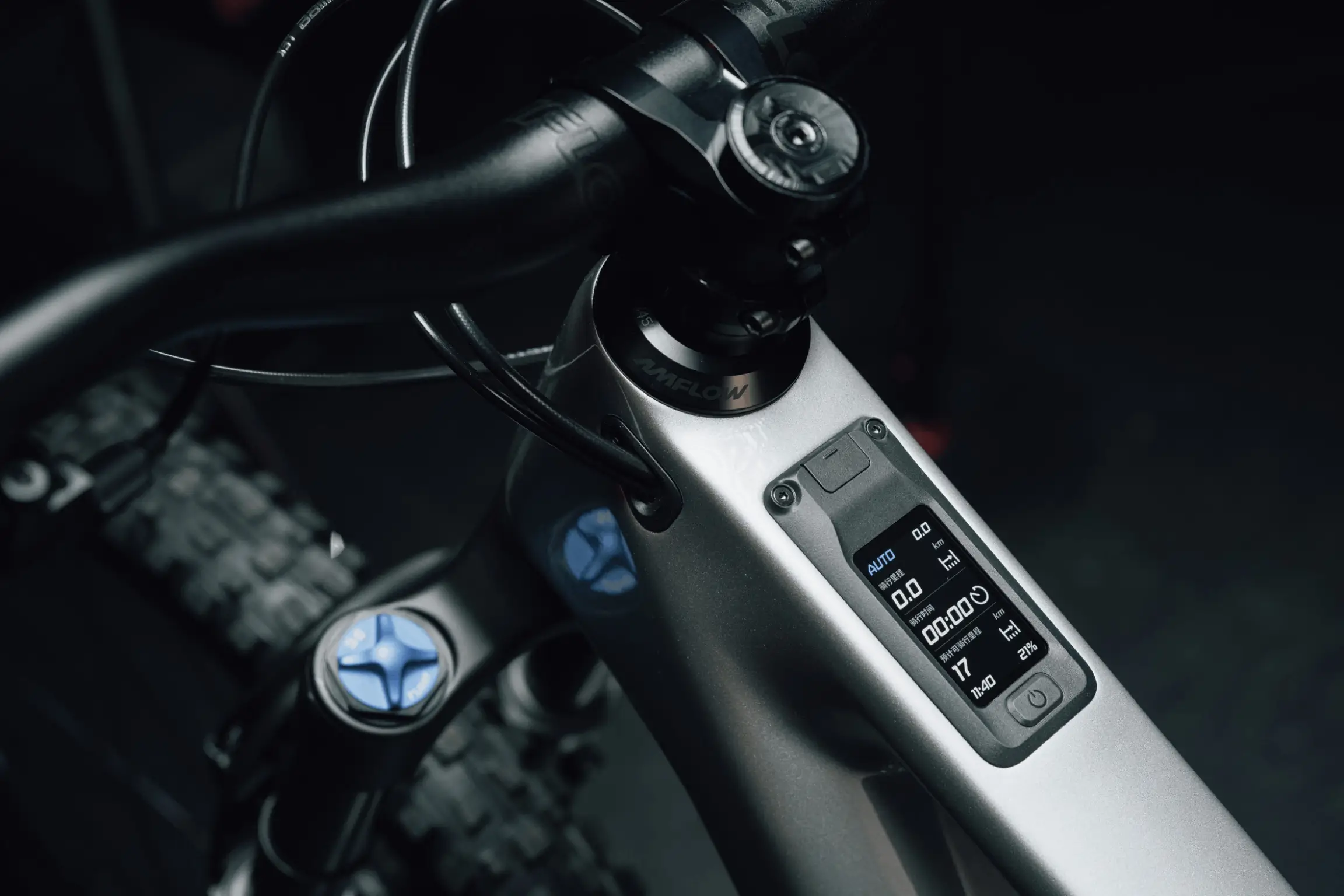
  • LCD or OLED displays show speed, assist mode, battery status, range, and sometimes navigation/gps data.
  • Assist levels: Most EMTBs offer 3 to 5 pedal assist levels, plus a walk-assist feature.

How to Choose the Best Electric Mountain Bike (Step-By-Step)

1. Determine Your Terrain:
Are you riding road, gravel, snow, or technical singletrack?
2. Assess Your Strength & Goals:
Want all-out performance, or just a little help for family rides?
3. Fit & Size:
Ensure frame dimensions, standover heights, and handlebar widths match your physique.
4. Check Suspension Needs:
Hardtail offers value and simplicity; full sus is for comfort and control on rough stuff.
5. Understand Motor Power & Battery Range:
High wattage and amp-hours for long, technical rides or heavy riders; moderate for daily fun.
6. Look for Key Features:
Hydraulic brakes, integrated lights, tubeless compatible wheels, mounts for racks or bags.
7. Mind the Total Weight:
If you carry your EMTB, opt for lighter or folding options.
8. Consider Warranty & Service:
Buy from reputable sources with genuine after-sales support.
9. Budget Realistically:
You can find the best budget electric mountain bike, but set expectations for quality and performance.

Rider Tips for EMTB Success

1. Battery Health & Longevity

  • Avoid full discharges—charge your battery regularly.
  • Store indoors when not using for long periods.
  • Clean connectors and inspect for visible wear, especially after off-road adventures.

2. Trail Skills for EMTBs

  • Use pedal assist wisely—don’t just power through; blend your own effort with the help.
  • Shift your weight on climbs and descents for better control.
  • Lower tire pressure for loose, technical tracks; raise it for hardpacked or road riding.

3. Maintenance Routines

  • Wash your EMTB gently—skip the pressure washer!
  • Lube chain and gears after messy rides.
  • Regularly check brake pads, tires, and bolts for safety.

Advanced EMTB Upgrades and Customization Paths

  • Motor controller tuning: Some EMTBs allow app-based customization to tweak power, acceleration, and response.
  • Tubeless tire conversion: Reduce flats and enjoy lower rolling resistance.
  • Accessory mounts: Fit racks, bags, or lights for commuting or bikepacking.
  • Smart displays: Upgrade to Bluetooth/GPS-enabled navigation units.
  • Personalized saddle & grip choices: Small investment, huge comfort returns.

Advanced Use Cases: Real EMTB Riding Scenarios

Exploring Backcountry Trails

For riders who seek true adventure, EMTBs are unrivaled companions on remote, unpaved backcountry trails. With their electric assist, steep climbs, rocky switchbacks, and long distances become less daunting. Full suspension electric mountain bikes thrive here—absorbing roots and rocks, while high-capacity batteries ensure you won't have to turn back early. Riders tackling varied terrain benefit from mid-drive motors, which maintain stability and traction on loose surfaces and relentless climbs.

Pro Tip: Always pre-check your battery range for the longest expected distance and consider bringing a backup charging option if you're exploring areas with shelters or cabins.

Urban and Commuter EMTB Life

Don't limit electric mountain bikes to wild terrain. Many urban residents are discovering the convenience, speed, and comfort of EMTBs during daily commutes. Wide tires cushion potholes and curbs, powerful motors eat up city hills, and robust brakes shine in unpredictable traffic. Lightweight and folding electric mountain bikes are especially fitting—store them in small city apartments, or easily take them on public transportation.

Pro Tip: Choose EMTBs with integrated lights, fenders, and smart anti-theft systems for maximum peace of mind in city environments.

Family & Recreational Riding

Modern families use EMTBs to bridge fitness gaps and share outdoor experiences. Kids’ electric mountain bikes with capped speeds and manageable frames make family trips feasible, while seniors’ models guarantee no one is left behind. Women’s and men’s electric mountain bikes offer tailored fit and comfort—making sure every member, regardless of skill, is included.

Scenario: Picture a multi-generational family conquering a lakeside path. Grandparents cruise in upright comfort, parents enjoy technical singletrack, and kids develop riding skills with glee—all thanks to their chosen EMTBs.

Fitness & Endurance Riding

Many cyclists turn to EMTB platforms for health and fitness. Adjustable power assistance rises to meet the rider's effort or backs off for a full-body workout, making electric bikes mountain bike models useful for both rehabilitation and intense cross-training. Track performance data on smart displays, set fitness goals, and review real-time ride stats.

Pro Tip: For structured training, use low assist levels or manual mode on flats and save higher settings for major climbs.

Safety First: Essential Tips and EMTB Etiquette

Gear Up

  • Helmet: Always wear a certified helmet suitable for mountain biking—safety first, regardless of experience.
  • Lights & Reflectors: Early morning or dusk riding? Integrated or attachable LED lights ensure visibility.
  • Gloves & Pads: Protect hands from vibration and in the event of a fall.
  • Bright/Reflective Clothing: Especially vital for urban or shared-use trails.
  • Multi-tool & Pump: Carry essentials for on-the-spot repairs.

Riding Etiquette

  • Share the Trail: Yield to hikers and slower trail users. Use a bell or polite callout to announce your approach.
  • Respect Trail Rules: Some paths restrict EMTB access—always check before your ride.
  • Ride Within Your Skill: Modest risks and incremental progress trump reckless bravado.
  • Leave No Trace: Carry out all litter and avoid riding on muddy trails to prevent erosion.
  • Report Issues: Notify land managers about hazards or blocked trails.

Your Best Electric Mountain Bike Pre-Purchase Checklist

1. Define your riding style: Commuting, trail, downhill, snow/sand, touring, or all-rounder?
2. Test ride if possible: Nothing substitutes for real seat time—get a feel for geometry and assist.
3. Confirm frame size and weight: The bike should fit your body and be manageable off the trail.
4. Prioritize core features: Reliable hydraulic disc brakes, adequate battery range, comfortable suspension.
5. Choose based on real range, not just claimed specs: Factor in body weight, terrain, and riding mode.
6. Plan for transport and storage: Do you need a foldable EMTB, or can you manage with a traditional frame?
7. Seek local regulation guidance:Confirm the max power allowed in your area—important for high-output EMTBs.
8. Check for support and warranty: Make sure the seller or brand offers helpful, prompt service.
9. Budget for accessories: Helmet, spare charger, lights, multi-tool, and protective wear are must-haves.

Conclusion: Your Journey Starts Now

The appeal of the best electric mountain bike goes far beyond raw numbers or tech specs: it’s about unlocking extraordinary experiences, overcoming personal barriers, and seeing the world from new angles. EMTBs empower every rider—child or senior, beginner or athlete—to travel further and enjoy the ride more. Carefully choose your type, fit, and features, follow best practices, and your EMTB will reward you many times over.

Whether you’re buying your first EMTB or upgrading to a high-performance model like the Amflow for more demanding adventures, use this guide as your map. The power to climb, explore, connect, and transform is now in your hands—one ride at a time.

Ready for your next adventure? The trail is waiting.

Answers to the Most Sought-After EMTB FAQs

What is the highest rated electric bicycle?

“Highest rated” electric bicycles combine the best in power, range, durability, and comfort. Notably, full suspension electric mountain bikes with mid-drive motors, removable high-capacity batteries, robust hydraulic brakes, and ergonomic geometry top rider preference lists. User reviews suggest ratings are also influenced by after-sales support, ease of use, and safety features. Look for consistent positive feedback about reliability and ride comfort.

What is the most powerful electric mountain bike?

The most powerful EMTBs on the market feature motors of 750W, 1000W, or higher, often with max torque exceeding 85–120Nm. This immense output enables easy ascent of the steepest climbs and maximizes carrying capacity for heavy riders or intensive off-road demands. For most recreational use, 250–500W provides plenty of assistance; check local regulations about maximum legal wattage.

Is it worth getting an E mountain bike?

For most cyclists—yes! EMTBs open up new horizons. They reduce barriers for older or less-fit riders, make longer/tougher routes realistic, and introduce fun even into the daily commute. Riders frequently report increased cycling frequency, renewed motivation, and more shared rides with friends and families of varying abilities. Many find their overall health and happiness improved.

What to avoid when buying an electric bike?

  • Low-quality components: Don’t compromise on essential features like battery safety, brakes, or frame sturdiness for a lower price.
  • Lack of fit options: Geometry matters—an EMTB that’s too big or too small is uncomfortable and harder to control.
  • Poor after-sales service: Ensure a responsive warranty, community support, and easy access to repairs.
  • Non-removable or proprietary batteries: Removable batteries mean more flexible charging and easier replacement.
  • Incompatible with trail regulations: Make sure to purchase legal-for-use models for your favorite trails.

Amflow PL

Amflow PL

The Amflow PL electric mountain bike offers 105 Nm of max continuous torque in an ultra-light build.

Buy Now
* The visuals displayed on this page are for illustrative purposes only. Please note that the actual product may vary in appearance.