
Top E-Mountain Bikes Features You Should Look For Before Buying

AMFLOW
-
30/09/2025

Electric mountain bikes (eMTBs) have revolutionized cycling, offering more accessible and exciting rides. With many models and features to choose from, finding the right eMTB can be confusing. This guide breaks down key factors like motor power, battery life, frame type, and suspension to help you make an informed decision and pick the best eMTB for your riding style.

Understanding the Popularity of e-Mountain Bikes

Mountain biking has always been about freedom, exploration, and testing your limits. Yet the sport has its physical challenges, like steep ascents, long-distance rides, and rough terrain, which can sometimes deter new riders. This is where the eMTB excels. With the addition of an electric motor, suddenly these challenges become more manageable. Riders who once struggled to complete a trail can now finish with confidence, and experienced cyclists can push their adventures further by covering more ground in less time.
The growing adoption of eMTBs is also fueled by technology. Early electric mountain bikes were heavy, had limited battery life, and often looked awkward with oversized components. Today’s models, however, seamlessly integrate motors into compact frames, offer much longer battery lives, and weigh less than ever before thanks to advanced materials like carbon fiber. Manufacturers continue to innovate, meaning buyers now have a wide selection of performance-driven options at every price level.

In simple terms, e-mountain bikes have made the joy of mountain biking accessible to a broader audience, from casual weekend riders to trail enthusiasts eager to push their limits without sacrificing endurance.

Top Features of E-Mountain Bikes to Look Out

Motor Power: The Heart of an eMTB

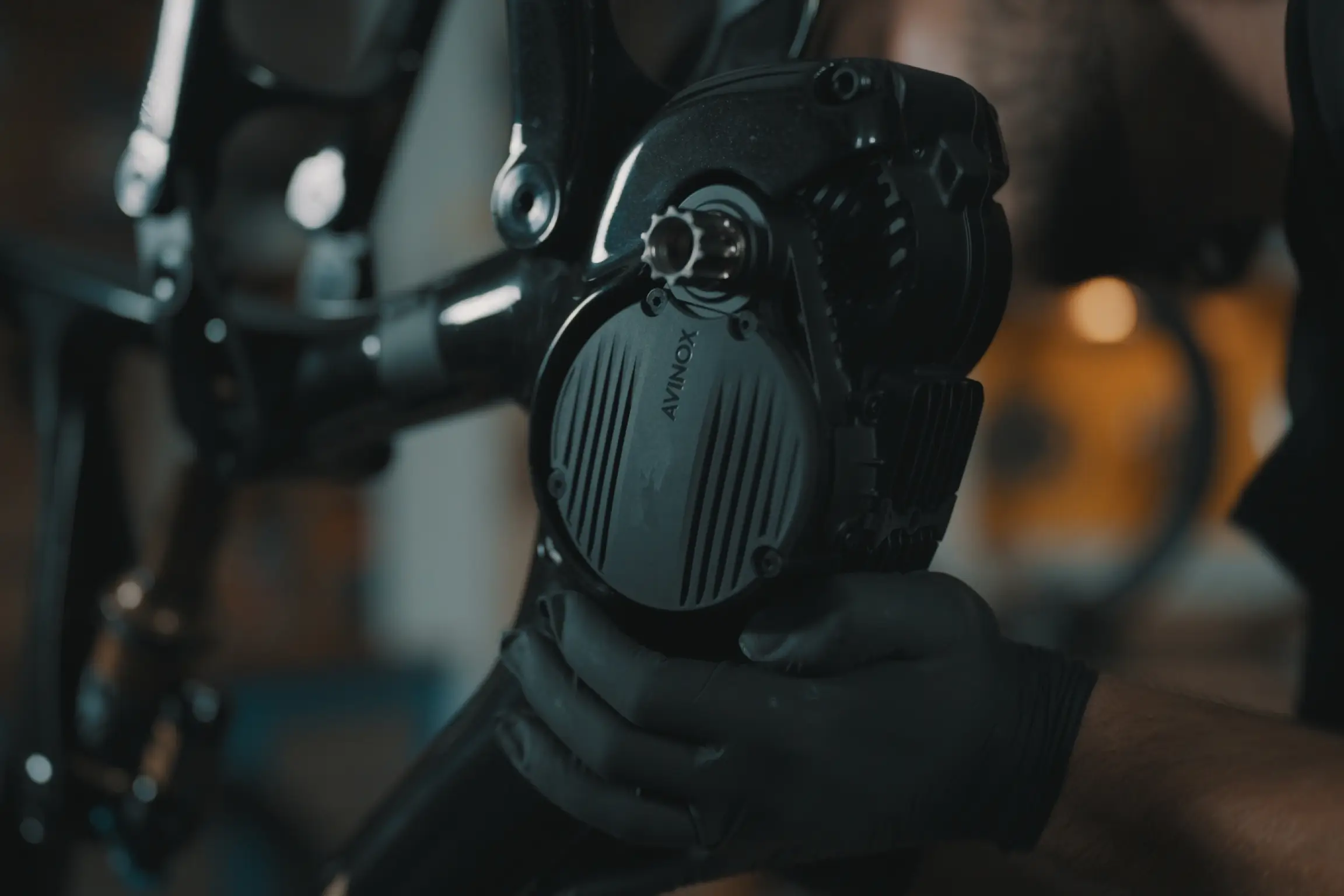
The motor is the defining feature of any eMTB. It determines how much assistance you’ll receive on steep climbs, how smoothly you can accelerate, and how natural the pedal-assist feels overall. Understanding eMTB motor power is one of the first steps in choosing the right bike.

Most eMTBs are equipped with mid-drive motors that have a rated power of rated at 250 watts (while maximum power output may vary), which is the most common standard in many regions due to regulations. Although this number seems modest, it’s more than enough when paired with the right torque output. Torque, measured in Newton meters (Nm), indicates how much force the motor provides when you pedal. For mountain biking, this is critical.
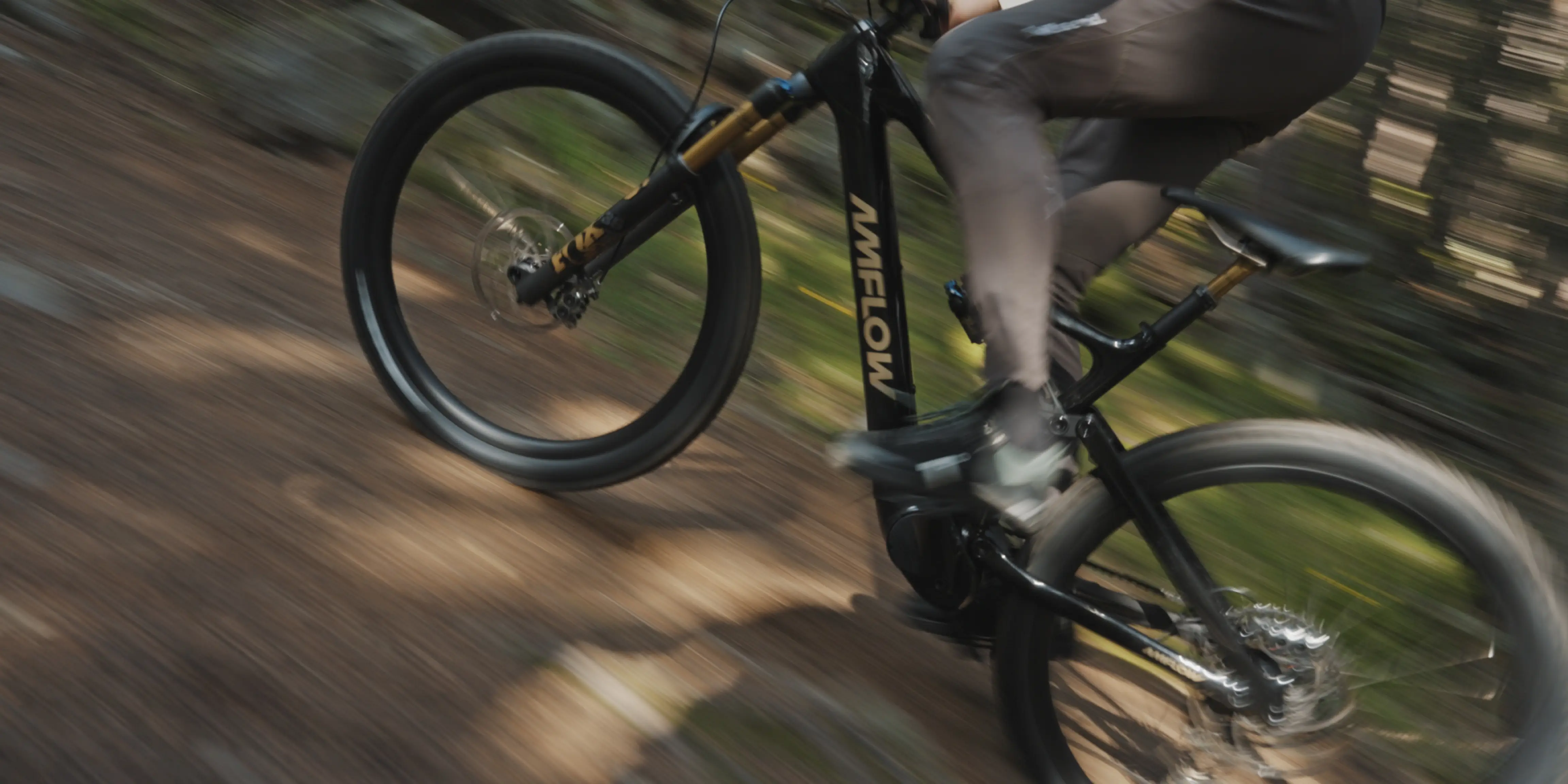
  • A torque of 40–50Nm is suitable for light trails and basic climbing.
  • A torque of 60–70Nm handles most mountain biking conditions, including moderate hills.
  • High-performance motors with 80–90Nm are designed for steep, technical climbs where maximum assistance is required.

Source Link - https://qiolor.com/blogs/news/ebike-torque

Beyond raw numbers, the quality of eMTB motor power integration matters. They adapt quickly to your pedaling style, switching seamlessly between riding modes ranging from “Eco” for conservation to “Turbo” for maximum power. Lower-cost motors may provide high wattage, but without smooth responsiveness, the ride often feels unnatural or jerky.

When evaluating motor power, ask yourself: What kind of terrain do I plan to ride regularly? If you’re aiming to tackle alpine routes or steep technical trails, aim for higher torque. If your rides are casual or commute-oriented, mid-range motors will suit you just fine.

Battery Range: How Far Can You Go?

Once you’ve decided on motor power, the next big question is how much battery range your eMTB should have. Without adequate range, you may find yourself running out of assistance in the middle of a challenging trail; a situation every rider wants to avoid.

Battery capacity is measured in watt-hours (Wh), with most eMTBs offering between 400Wh and 750Wh. A higher number means more stored energy and, therefore, a longer riding range. However, real-world factors like terrain, rider weight, tire pressure, and level of motor assistance all affect how far you can go.
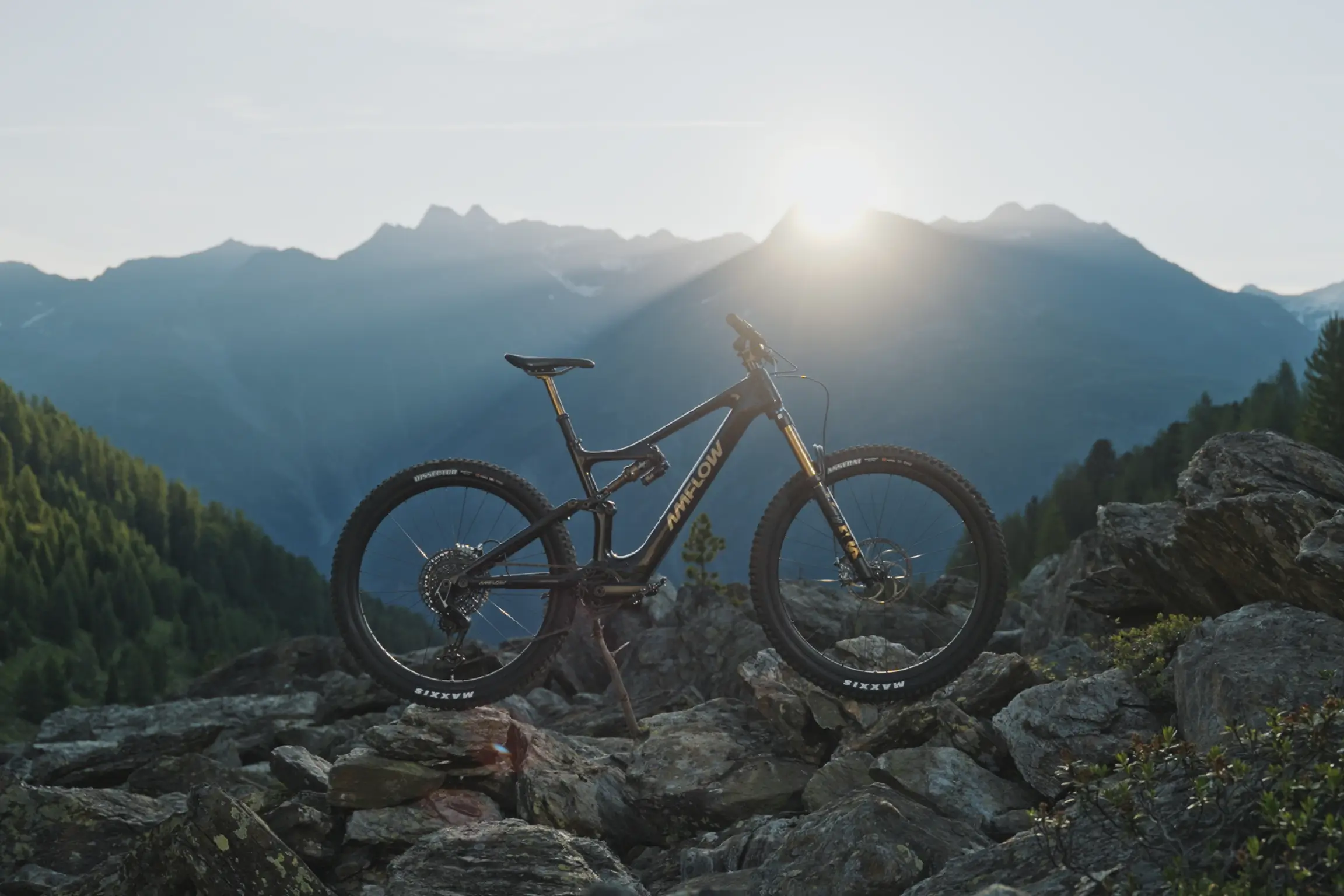
  • A 400Wh battery might last 20–35 miles on hilly terrain.
  • A 500Wh to 600Wh battery typically covers 35–50 miles with mixed usage.
  • Larger 700Wh+ batteries can push beyond 60 miles, making them ideal for long-distance trail enthusiasts.

Source: https://reallygoodebikes.com/pages/electric-bike-ebike-range-calculator

The ability to remove your battery is another key feature. Some e mountain bikes integrate the battery seamlessly into the frame for aesthetics and weight distribution, while others allow quick removal for charging convenience. Integrated systems look sleeker and offer better protection against impact or theft, while removable options let you carry a spare battery for multi-day rides.

Frame Design and Material

An eMTB frame is more than just a structure; it shapes your riding posture, weight distribution, handling, and overall durability. Unlike traditional mountain bikes, eMTBs are engineered to accommodate heavier components like motors and batteries without compromising stability.

Two common frame materials dominate the eMTB landscape:

  • Aluminum alloy frames are affordable, durable, and widely used. They add some extra weight compared to carbon fiber, but are excellent for riders who want solid performance without a premium price.
  • Carbon fiber frames are lighter, stiffer, and more responsive. They reduce overall bike weight by several pounds, which can make a noticeable difference for technical riders. However, they come at a significantly higher cost.

Geometry is equally important. Riders should consider wheelbase length, head tube angle, and reach measurements. For example:
  • A slacker head tube angle (65–67 degrees) improves stability on descents.
  • Steeper angles favor climbing efficiency.
  • Longer wheelbases provide control on high-speed trails, while shorter options are more agile in tight, technical spaces.

When test riding, pay attention to how comfortable the frame feels in different conditions. Even the most powerful motor won’t matter if the bike’s geometry doesn’t suit your body and riding style.

Suspension: Comfort Meets Performance

No feature affects off-road performance more than suspension. Suspension absorbs shocks from uneven terrain, prevents rider fatigue, and improves handling. eMTBs generally come in two categories:

  • Hardtail eMTBs: Feature suspension only on the front fork. They’re lighter, more efficient, and easier to maintain. These bikes are ideal for smoother trails or cross-country riding.
  • Full-suspension eMTBs: Include suspension on both front and rear for superior control over rocky, uneven terrain. They’re heavier and more expensive but essential for downhill riding or aggressive trail use.

The choice between the two mainly depends on your budget and the terrain you plan to ride. If your regular routes involve rocky downhill descents, a full-suspension eMTB is highly recommended. Casual riders or those who stick to mixed surfaces can enjoy the lower cost of a hardtail setup.

Drivetrain and Gearing

An often-overlooked feature on eMTBs is the drivetrain. Because you’re combining human power with electric assistance, the drivetrain needs to withstand higher torque loads than traditional mountain bikes. Look for drivetrains designed specifically for e-mountain bikes, with stronger chains, cassettes, and derailleurs.

Wide gearing ranges allow you to climb efficiently and descend with control. Some advanced bikes feature electronic shifting, which enhances precision and reduces wear over time. For most riders, a 12-speed drivetrain provides excellent versatility across multiple terrains.

Wheels and Tires

Wheel size makes a substantial difference in ride characteristics.

  • 29-inch wheels: Roll more smoothly over obstacles, making them stable and efficient for long rides.
  • 27.5-inch wheels: Offer superior agility, especially useful in twisty, technical sections.
  • Mixed “mullet” setups: Pair a 29-inch front with a 27.5-inch rear wheel, offering a balance of stability and quick handling.

Tires are equally important. Wide, knobby tires provide the grip necessary on loose dirt, gravel, and rocky trails. Many eMTBs now come tubeless-ready, which allows riders to run lower tire pressures for better traction without worrying about pinch flats.

Braking Power

An often-overlooked feature on eMTBs is the drivetrain. Because you’re combining human power with electric assistance, the drivetrain needs to withstand higher torque loads than traditional mountain bikes. Look for drivetrains designed specifically for e-mountain bikes, with stronger chains, cassettes, and derailleurs.

Because eMTBs are heavier and faster than normal mountain bikes, they require stronger brakes. Modern eMTBs typically use hydraulic disc brakes with oversized rotors ranging between 180mm and 200mm.

Larger rotors dissipate heat better, preventing brake fade during long descents. They also increase stopping power, which is critical when descending steep, technical trails with the added momentum from motor assistance.

Additional Features to Look For

As the market becomes more competitive, manufacturers are adding features that improve convenience and performance. These include:

  • Smart displays with ride data, mode control, and connectivity to apps.
  • App integration allows you to tune assistance levels, monitor battery health, and track rides with GPS.
  • Dropper posts for quick saddle adjustments on the move.
  • Integrated lights for evening or night rides.
  • Waterproofing and dust resistance, which extend the life of electronic components.

Conclusion

Buying e-mountain bikes is an exciting investment, one that can transform your cycling experiences and open up new adventures. From motor power and battery range to suspension, brakes, frames, and wheels, every feature influences how enjoyable and capable your eMTB will be. Above all, select a bike from Amflow that matches your riding style, goals, and terrain. If you love climbing steep hills, prioritize high torque and strong batteries. If agility on twisting trails is your passion, focus on lightweight frames and mixed wheel options.

In the end, the right eMTB from Amflow Bikes makes every trail ride smoother, more accessible, and far more memorable.

FAQs

1. How long do eMTB batteries usually last before replacement?
Most high-quality eMTB batteries last 500–1,000 full charge cycles, which translates to three to five years of regular use before replacement is needed.

2. Can I ride an eMTB without using the motor?
Yes, all eMTBs can be pedaled like regular mountain bikes, even with the eMTB motor power switched off. However, the extra weight of the motor and battery makes pedaling without assistance more challenging.

3. Are eMTBs suitable for beginners?
Absolutely. Beginners appreciate the pedal-assist function, which makes starting out less intimidating. It allows new riders to explore trails without worrying about fatigue.

4. How much maintenance does an eMTB require?
In addition to standard bike maintenance, eMTBs need occasional motor and battery checks. Ensuring firmware is up-to-date and electrical contacts are kept clean helps extend longevity.

5. What is the average weight of an eMTB?
eMTBs typically range between 45 and 60 pounds depending on materials, motor, and battery size. Carbon fiber frames reduce the weight significantly compared to aluminum frames.

6. Can I upgrade the battery capacity later?
Some brands allow upgrades to higher-capacity batteries if they share the same dimensions and connections. However, it’s often more cost-effective to buy the right capacity from the start.

7. Are eMTBs allowed on all mountain biking trails?
Not always. Local laws and trail regulations vary. Some trails restrict motorized vehicles, including eMTBs, while others welcome them. Always check local rules before riding.

8. What’s the difference between pedal-assist and throttle eMTBs?
Pedal-assist battery range eMTB only provides power when you pedal, creating a more natural biking feel and longer battery range. Throttle-driven eMTBs can operate without pedaling but are less common in mountain biking due to regulations
Superlight Full-Power Electric Mountain Bike

Superlight Full-Power Electric Mountain Bike

Amflow PL offers up to 105 N·m of continuous torque in an ultra-light build, delivering a superb balance of power, range, and weight.

Buy Now
* The visuals displayed on this page are for illustrative purposes only. Please note that the actual product may vary in appearance.