Top E-Mountain Bikes Features You Should Look For Before Buying

Electric mountain bikes (eMTBs) have revolutionized cycling, offering more accessible and exciting rides. With many models and features to choose from, finding the right eMTB can be confusing. This guide breaks down key factors like motor power, battery life, frame type, and suspension to help you make an informed decision and pick the best eMTB for your riding style.

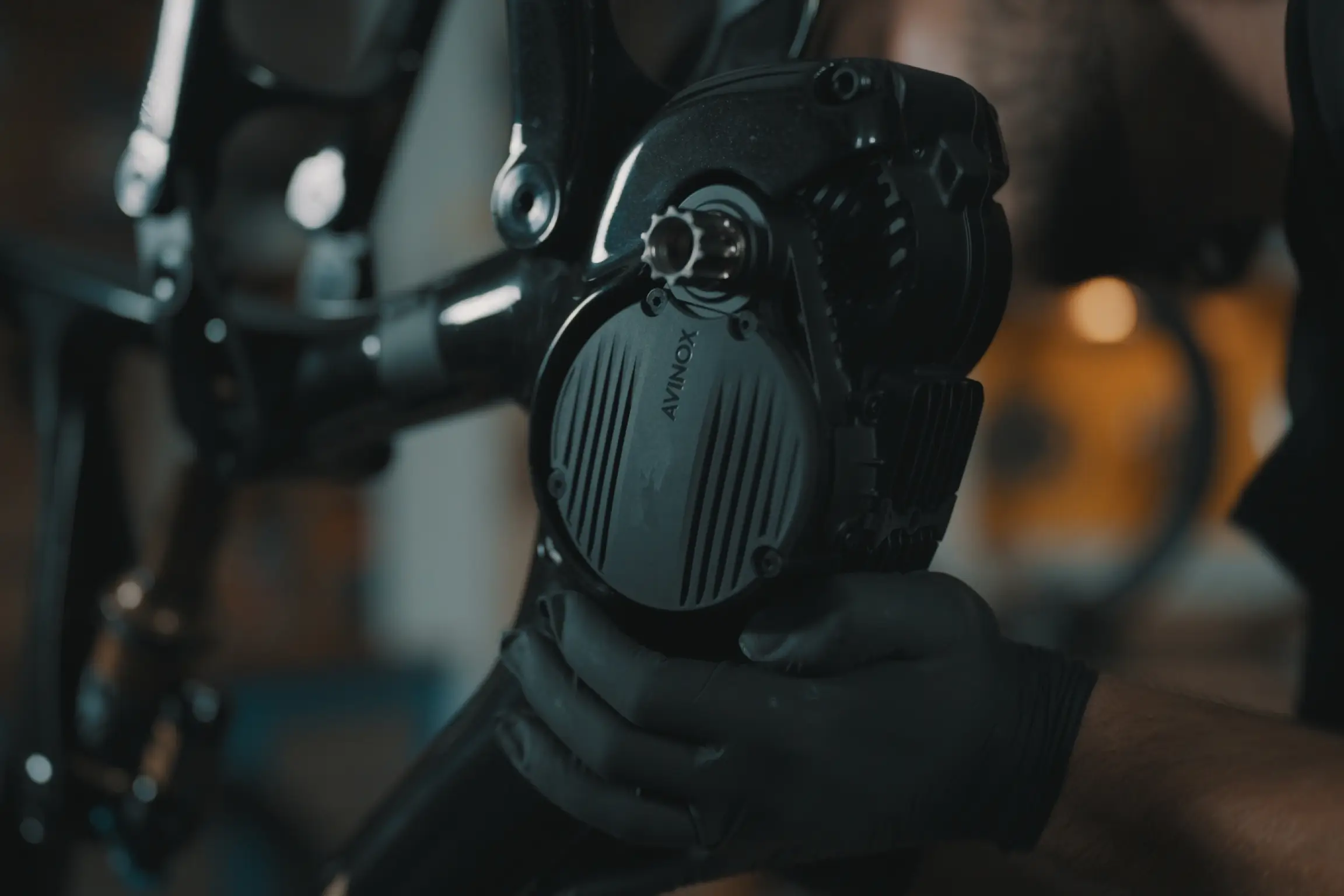
The motor is the defining feature of any eMTB . It determines how much assistance you’ll receive on steep climbs, how smoothly you can accelerate, and how natural the pedal-assist feels overall. Understanding eMTB motor power is one of the first steps in choosing the right bike.
Most eMTBs are equipped with mid-drive motors that have a rated power of rated at 250 watts (while maximum power output may vary), which is the most common standard in many regions due to regulations. Although this number seems modest, it’s more than enough when paired with the right torque output. Torque, measured in Newton meters (Nm), indicates how much force the motor provides when you pedal. For mountain biking, this is critical.
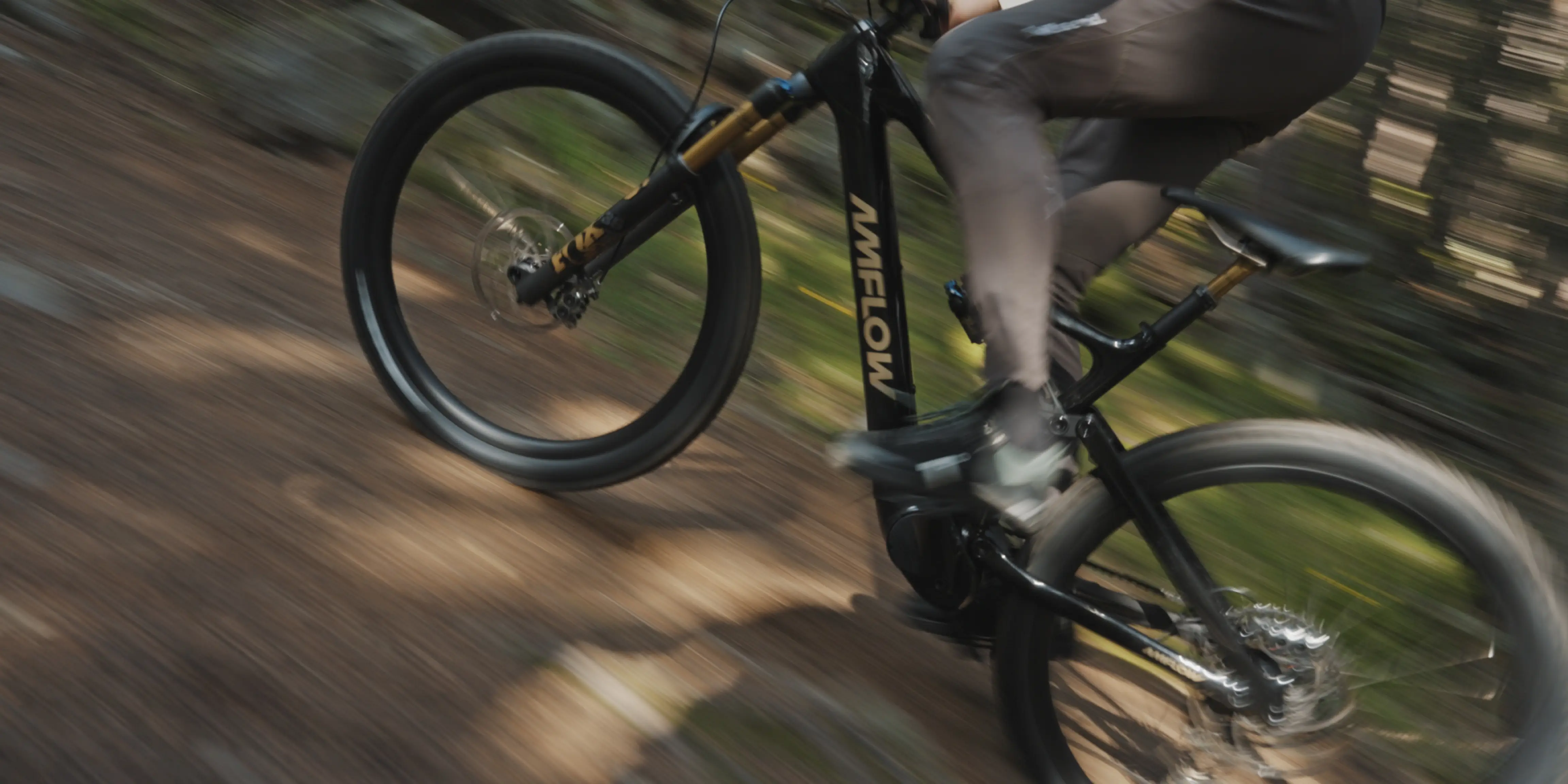

Once you’ve decided on motor power, the next big question is how much battery range your eMTB should have. Without adequate range, you may find yourself running out of assistance in the middle of a challenging trail; a situation every rider wants to avoid.
Battery capacity is measured in watt-hours (Wh), with most eMTBs offering between 400Wh and 750Wh. A higher number means more stored energy and, therefore, a longer riding range. However, real-world factors like terrain, rider weight, tire pressure, and level of motor assistance all affect how far you can go.
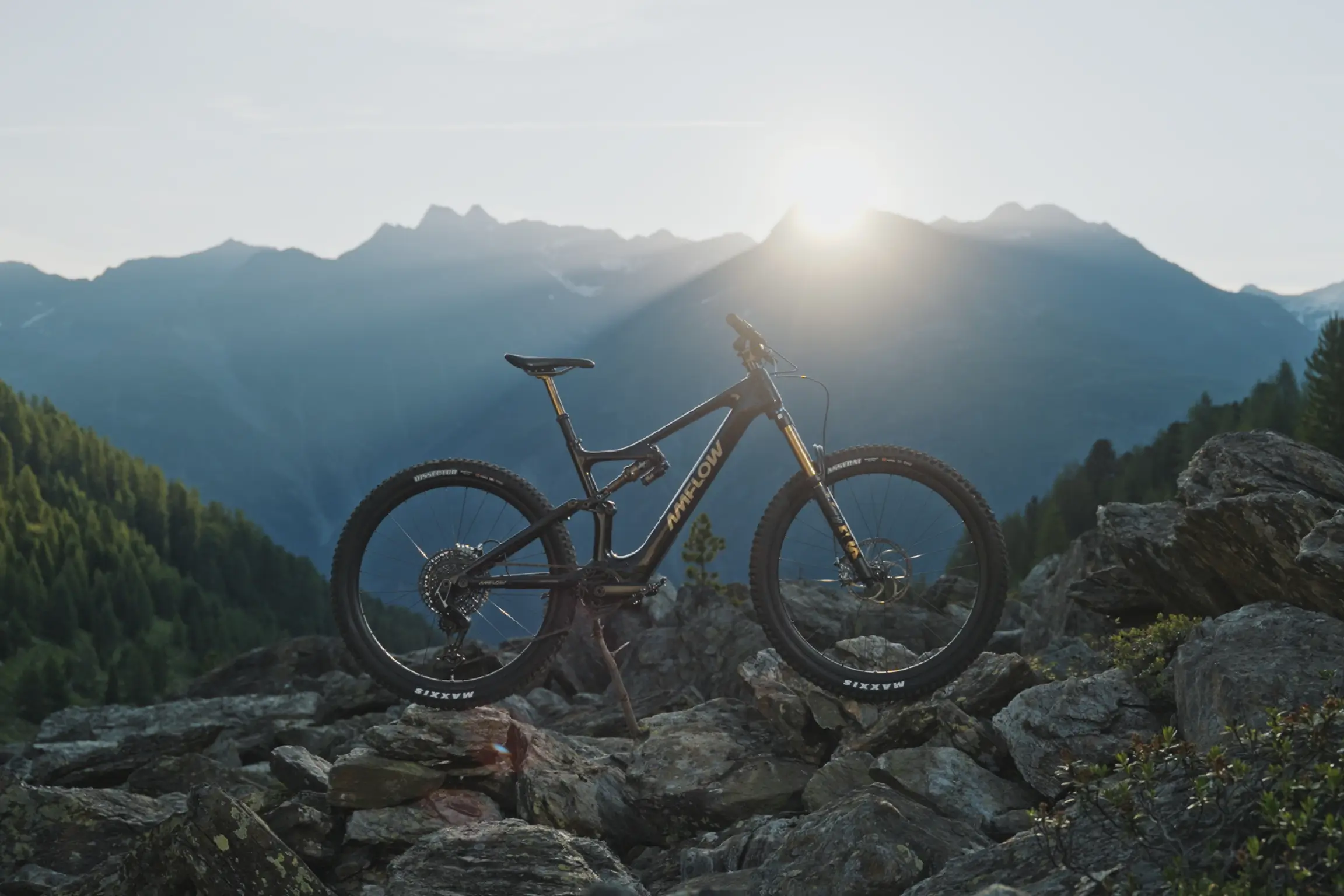
An eMTB frame is more than just a structure; it shapes your riding posture, weight distribution, handling, and overall durability. Unlike traditional mountain bikes, eMTBs are engineered to accommodate heavier components like motors and batteries without compromising stability.
Two common frame materials dominate the eMTB landscape:


No feature affects off-road performance more than suspension. Suspension absorbs shocks from uneven terrain, prevents rider fatigue, and improves handling. eMTBs generally come in two categories:

An often-overlooked feature on eMTBs is the drivetrain. Because you’re combining human power with electric assistance, the drivetrain needs to withstand higher torque loads than traditional mountain bikes. Look for drivetrains designed specifically for e-mountain bikes, with stronger chains, cassettes, and derailleurs.
Wide gearing ranges allow you to climb efficiently and descend with control. Some advanced bikes feature electronic shifting, which enhances precision and reduces wear over time. For most riders, a 12-speed drivetrain provides excellent versatility across multiple terrains.

Wheel size makes a substantial difference in ride characteristics.

An often-overlooked feature on eMTBs is the drivetrain. Because you’re combining human power with electric assistance, the drivetrain needs to withstand higher torque loads than traditional mountain bikes. Look for drivetrains designed specifically for e-mountain bikes, with stronger chains, cassettes, and derailleurs.
Because eMTBs are heavier and faster than normal mountain bikes, they require stronger brakes. Modern eMTBs typically use hydraulic disc brakes with oversized rotors ranging between 180mm and 200mm.
Larger rotors dissipate heat better, preventing brake fade during long descents. They also increase stopping power, which is critical when descending steep, technical trails with the added momentum from motor assistance.
As the market becomes more competitive, manufacturers are adding features that improve convenience and performance. These include:


Amflow PX sets the industry benchmark in eMTB engineering — delivering 150 N·m of raw power through the Avinox drive system, engineered for riders who demand the absolute best on every trail.
System error. Try again later.
System error. Try again later.
By signing up for our newsletter, you agree to our Terms & Conditions and Privacy Policy.


